
Premiums
Your insurer has aerial photos of your home. Here is what they look for
6 min read
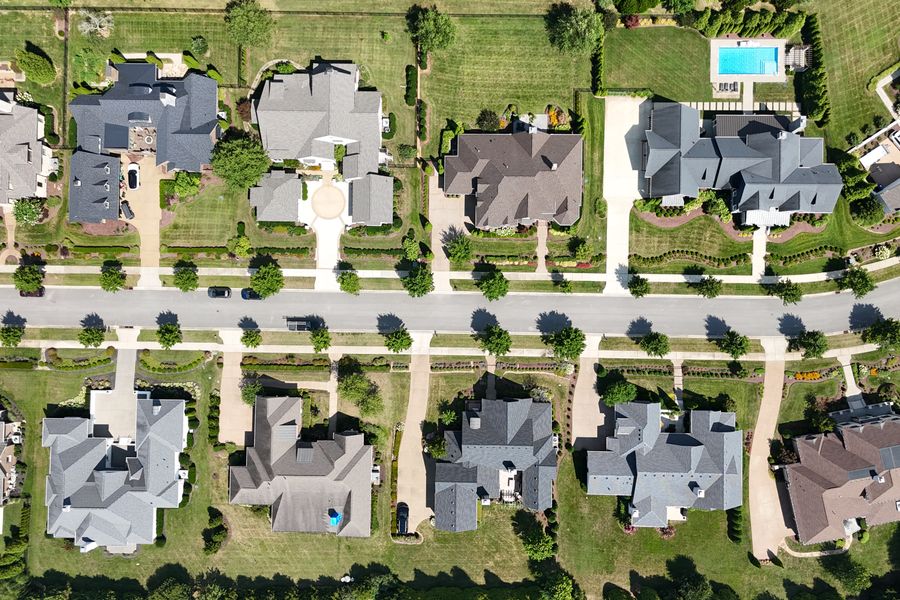
A growing share of renewal surprises — a sudden surcharge, a demand to replace the roof, a non-renewal letter citing "roof condition" — trace back to a photograph the homeowner has never seen. Insurers have moved steadily from pricing territories to pricing individual properties, and the raw material for that shift is aerial and satellite imagery, analysed at scale and refreshed on a schedule the homeowner does not control.
None of this is secret or improper — underwriting the actual house instead of the zip code is arguably fairer. But it changes the game in one specific way: the carrier now forms opinions about your property without visiting it, and those opinions can be stale, misread, or simply wrong. Knowing what the camera looks for is how you stay ahead of it.
Ready to see what you would pay?
Two questions about your home and a licensed agent will quote your exact address. Free, and no email required.
→ Start the 2-question pre-qualifyWhat the camera flags
The roof dominates, because it is the surface the imagery sees best and the component carriers care about most: staining and moss, lifted or curling shingles, patched sections that read as prior damage, and tarps — a tarp is close to an automatic flag. Beyond the roof, the algorithms and reviewers look for overhanging tree limbs, accumulated yard debris, visible disrepair on outbuildings, and features the policy does not know about, above all an undeclared swimming pool or trampoline.
The pool and trampoline cases are worth taking seriously: those are liability exposures the carrier believes it was never told about, which reads as a disclosure problem rather than a maintenance one. If either has been added since the policy was written, telling your agent before the imagery does is meaningfully better.
What happens when something is flagged
The outcomes run a spectrum. Mildest is a letter making renewal conditional on a repair or an inspection — trim the limbs, replace the flagged section, show us the roof. Next is repricing: the property's condition score feeds the premium, and a roof the model reads as late-life gets priced like one. At the far end sits non-renewal, and roof condition is now one of the most common stated reasons on those letters.
The letters rarely mention imagery explicitly. If a condition-based demand arrives that does not match anything a human has inspected, an aerial review is the likely source — which matters, because it tells you the evidence is a photograph, and photographs can be argued with.
When the picture is wrong or stale
Imagery libraries are refreshed on multi-year cycles in some areas, and analysis mistakes are real: discoloration reads as damage, a shadow reads as a patch, last year's tarp is still in this year's file even though the new roof went on in March. You are entitled to push back. Ask your agent what specifically was flagged; then answer photography with photography — dated ground-level photos, a roofer's inspection report, the invoice for the work the image predates.
Carriers reverse these findings routinely when the documentation is good, because the finding was never a judgment — it was a data point, and better data replaces it.
Playing the same game in your favour
The property-specific shift cuts both ways. The same channels that punish a worn roof reward a documented new one, cleared canopy, and a tidy site — and carriers differ in both their imagery vintage and their appetite, which means the insurer that flags your roof this month may be using older or harsher data than a competitor quoting fresh. A condition-based increase is one of the better reasons to re-shop: you are not arguing with the market, just with one carrier's photograph.
Questions people ask
Ready to see what you would pay?
Two questions about your home and a licensed agent will quote your exact address. Free, and no email required.
Get a quote