
Buying a home
Home warranty vs homeowners insurance: which one does what
5 min read
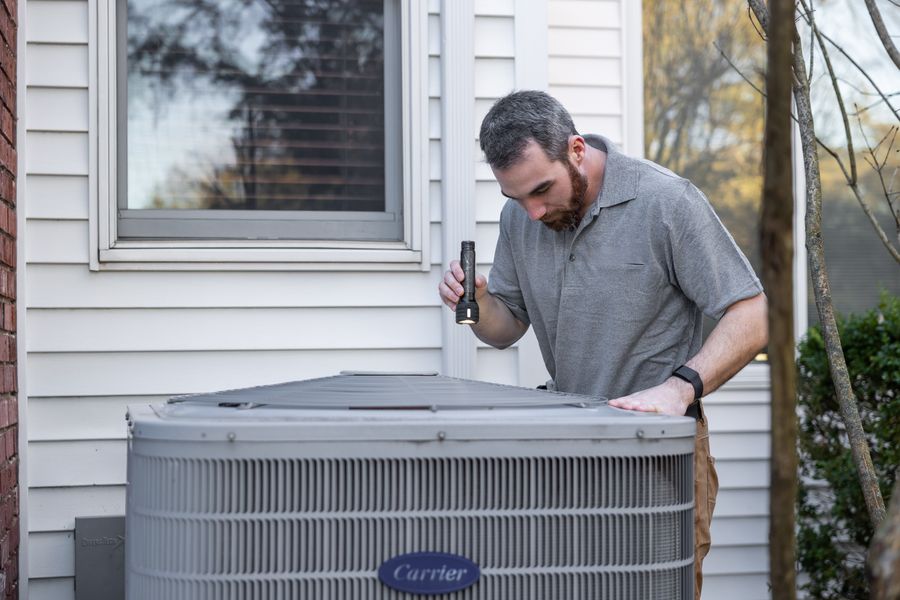
Few pairs of products are confused as reliably as home warranties and homeowners insurance, and the confusion peaks exactly when it is most expensive: at closing, when a buyer is offered one, required to carry the other, and told about both in the same afternoon. They share a word and almost nothing else.
The short version: homeowners insurance is a regulated policy that pays for sudden, accidental damage to your home and belongings, and your lender will not close without it. A home warranty is an optional service contract that repairs or replaces home systems and appliances when they break down from age and use. One covers disasters; the other covers Tuesdays.
Ready to see what you would pay?
Two questions about your home and a licensed agent will quote your exact address. Free, and no email required.
→ Start the 2-question pre-qualifyWhat each one actually is
Homeowners insurance covers the house itself, your belongings, your liability, and your living costs after a covered loss — fire, wind, hail, theft, burst pipes. It is priced on the property and required by every mortgage.
A home warranty covers the mechanical layer: HVAC, water heater, electrical and plumbing systems, kitchen appliances. It runs a few hundred dollars a year, charges a service-call fee per visit — commonly somewhere around $75 to $150 — and dispatches its own contractors. It is not insurance in the regulatory sense, and no lender requires it.
The dividing line is wear and tear
Everything falls out of one rule: insurance excludes wear and tear, and wear and tear is the entire reason warranties exist. The water heater makes the cleanest example. If it bursts and floods the laundry room, insurance pays for the damaged flooring and drywall — but not the heater, which died of age. If it simply stops heating one morning, insurance owes nothing at all, and a warranty replaces it for the service fee.
Same appliance, two different failures, two different products. Neither one substitutes for the other, which is precisely why the "do I really need both?" framing misleads — they are answers to different questions.
When a warranty earns its fee
The honest case for a warranty is an older home with aging systems and a buyer whose cash reserves are spent on the purchase itself — one HVAC failure in year one can cost more than a decade of warranty fees. It is also a common seller concession, and a seller-paid first year costs you nothing to accept.
The honest case against: coverage caps per item that can sit well below replacement cost, exclusions for pre-existing conditions and improper maintenance, and no choice of contractor. Read the caps before relying on one — a warranty that tops out at a fraction of what a new system costs is a discount, not protection.
What a warranty never replaces
A warranty satisfies no lender, covers no storm damage, carries no liability protection, and pays nothing toward living elsewhere after a loss. Whatever a closing-table pitch implies, it is an optional convenience layered on top of insurance, never an alternative to it. Budget for the insurance first — it is the one that is mandatory, and the one that covers the losses that can actually take the house.
Where this applies
Questions people ask
Ready to see what you would pay?
Two questions about your home and a licensed agent will quote your exact address. Free, and no email required.
Get a quote